
Low-Maintenance Decking Options for Homeowners Done with Annual Upkeep
Capped composite and PVC decking are the lowest-maintenance options for Southern NH homes: no staining or sealing, just an occasional wash. Here is an honest look at what low-maintenance really means and whether it fits your situation.
Why Homeowners Reach the Breaking Point
We hear similar stories every week. Homeowners who love the idea of their deck but have grown to resent the reality of maintaining it.
The Endless Stain Cycle
Every 2-3 years, you're back to sanding, staining, and sealing. A project that 'only takes a weekend' somehow stretches into weeks.
Weekend Warrior Burden
Those precious summer weekends spent maintaining your deck instead of enjoying it. The irony isn't lost on you.
Diminishing Returns
Each refinishing looks a little worse than the last. The wood is absorbing less stain, showing more wear, and you're questioning the investment.
Growing Safety Concerns
Soft spots developing. Boards that flex more than they used to. Railings that wiggle. The maintenance isn't just cosmetic anymore.
If any of this resonates, you're not being unreasonable. You're recognizing that your time has value—and that there might be a better way.
What Each Material Actually Requires
Marketing materials often gloss over maintenance requirements. Here's what you'll realistically need to do with each material type.
| Material | Monthly | Annually | Every 2-3 Years | Effort Level |
|---|---|---|---|---|
PVC Synthetic TimberTech AZEK | Sweep debris | Rinse with hose | None required | Lowest |
Capped Composite Trex Transcend, TimberTech Pro | Sweep debris | Soap and water wash | None required | Very Low |
Uncapped Composite Older generation products | Sweep debris, check for mold | Deep cleaning with deck cleaner | Possible mold treatment | Low |
Cedar Western Red Cedar | Sweep, check for debris accumulation | Clean, inspect, possible oil treatment | Stain/seal every 2-3 years | Moderate |
Pressure-Treated PT Pine, Ground Contact | Sweep, check for standing water | Clean, inspect for damage | Stain/seal every 1-2 years | Highest |
PVC Synthetic
TimberTech AZEK
Monthly: Sweep debris
Annually: Rinse with hose
Every 2-3 Years: None required
Capped Composite
Trex Transcend, TimberTech Pro
Monthly: Sweep debris
Annually: Soap and water wash
Every 2-3 Years: None required
Uncapped Composite
Older generation products
Monthly: Sweep debris, check for mold
Annually: Deep cleaning with deck cleaner
Every 2-3 Years: Possible mold treatment
Cedar
Western Red Cedar
Monthly: Sweep, check for debris accumulation
Annually: Clean, inspect, possible oil treatment
Every 2-3 Years: Stain/seal every 2-3 years
Pressure-Treated
PT Pine, Ground Contact
Monthly: Sweep, check for standing water
Annually: Clean, inspect for damage
Every 2-3 Years: Stain/seal every 1-2 years
Important distinction: "Low-maintenance" isn't "no-maintenance." Even the best synthetic decking needs occasional attention. The difference is that attention takes minutes, not weekends—and doesn't require specialized products or skills.
What Low-Maintenance Really Costs Over Time
Initial cost only tells part of the story. Here's what a 400 square foot deck realistically costs over 20 years—including materials, maintenance, and your time.
Pressure-Treated Wood
Initial Investment
$4,000 - $6,000
Annual Maintenance Cost
~$400/year (stain, sealer, repairs)
20-Year Total
$12,000 - $14,000
Capped Composite
Initial Investment
$8,000 - $12,000
Annual Maintenance Cost
~$50/year (cleaning supplies)
20-Year Total
$9,000 - $13,000
PVC Synthetic
Initial Investment
$10,000 - $14,000
Annual Maintenance Cost
~$25/year (cleaning supplies)
20-Year Total
$10,500 - $14,500
The Honest Conclusion
Over 20 years, the total cost ends up surprisingly similar across materials. What you're really buying with composite isn't necessarily lower cost—it's your time back. 150-200 hours of summer weekends over two decades. Whether that trade-off makes sense depends on how you value those hours.
What You'll Still Need to Do (And What You Won't)
Let's be completely clear about what "low-maintenance" means in practice.
You'll Still Need To:
- Sweep leaves and debris periodically
- Rinse off pollen and dirt seasonally
- Clear snow (plastic shovel recommended)
- Occasional spot cleaning for spills
- Annual visual inspection of structure
You'll Never Need To:
- Sanding and refinishing
- Staining and sealing
- Replacing rotted or damaged boards
- Treating for mold and mildew
- Worrying about splinters
- Pressure washing damage
From Maintenance Headaches to Worry-Free Enjoyment
Real projects from homeowners who made the switch to low-maintenance decking.
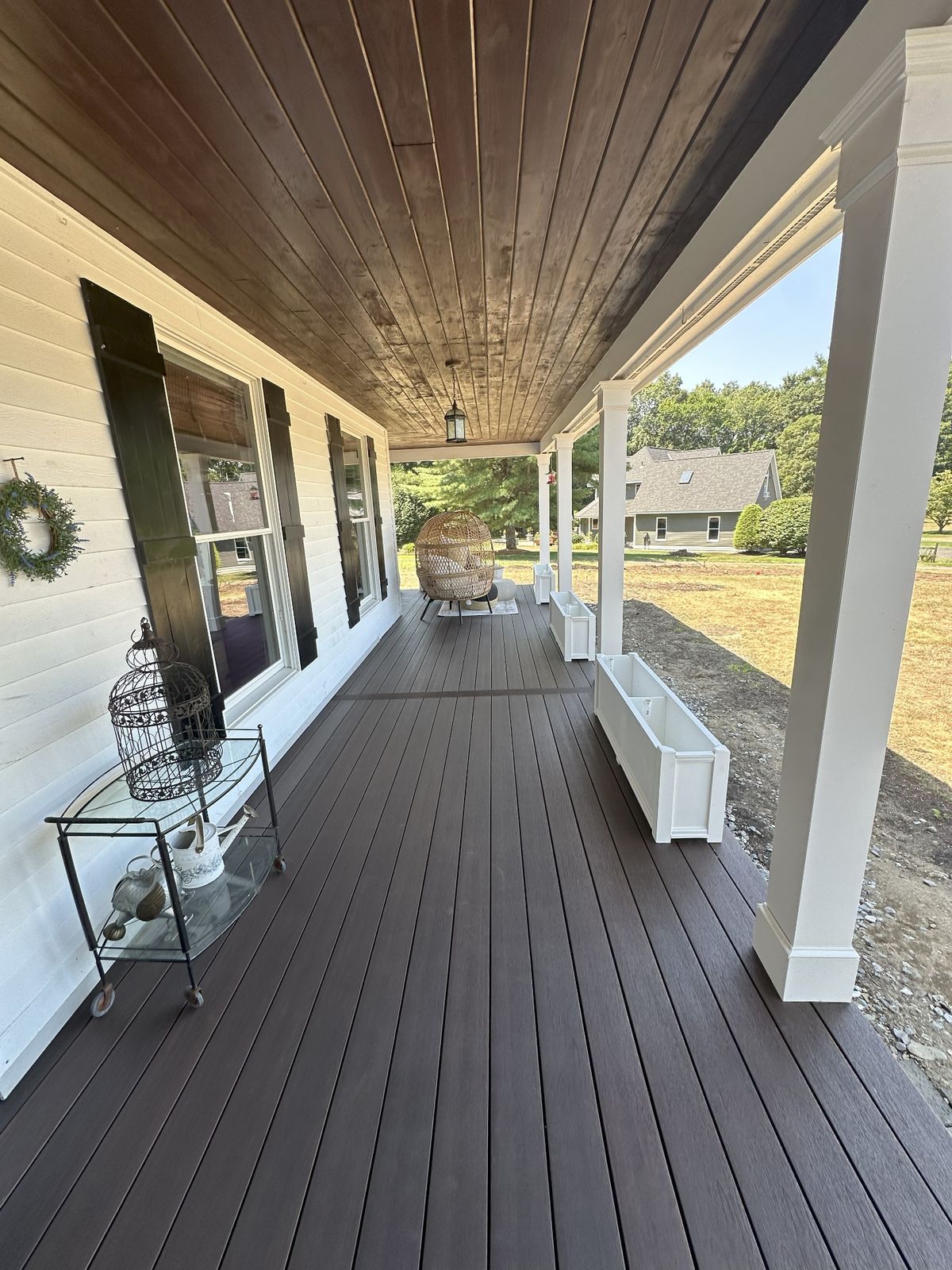
Londonderry, NH
From Failing Pine to Worry-Free Composite
Before: 15-year-old pressure-treated deck requiring annual maintenance, with soft spots developing near the ledger
After: Trex Transcend composite with matching railings—no maintenance beyond occasional sweeping
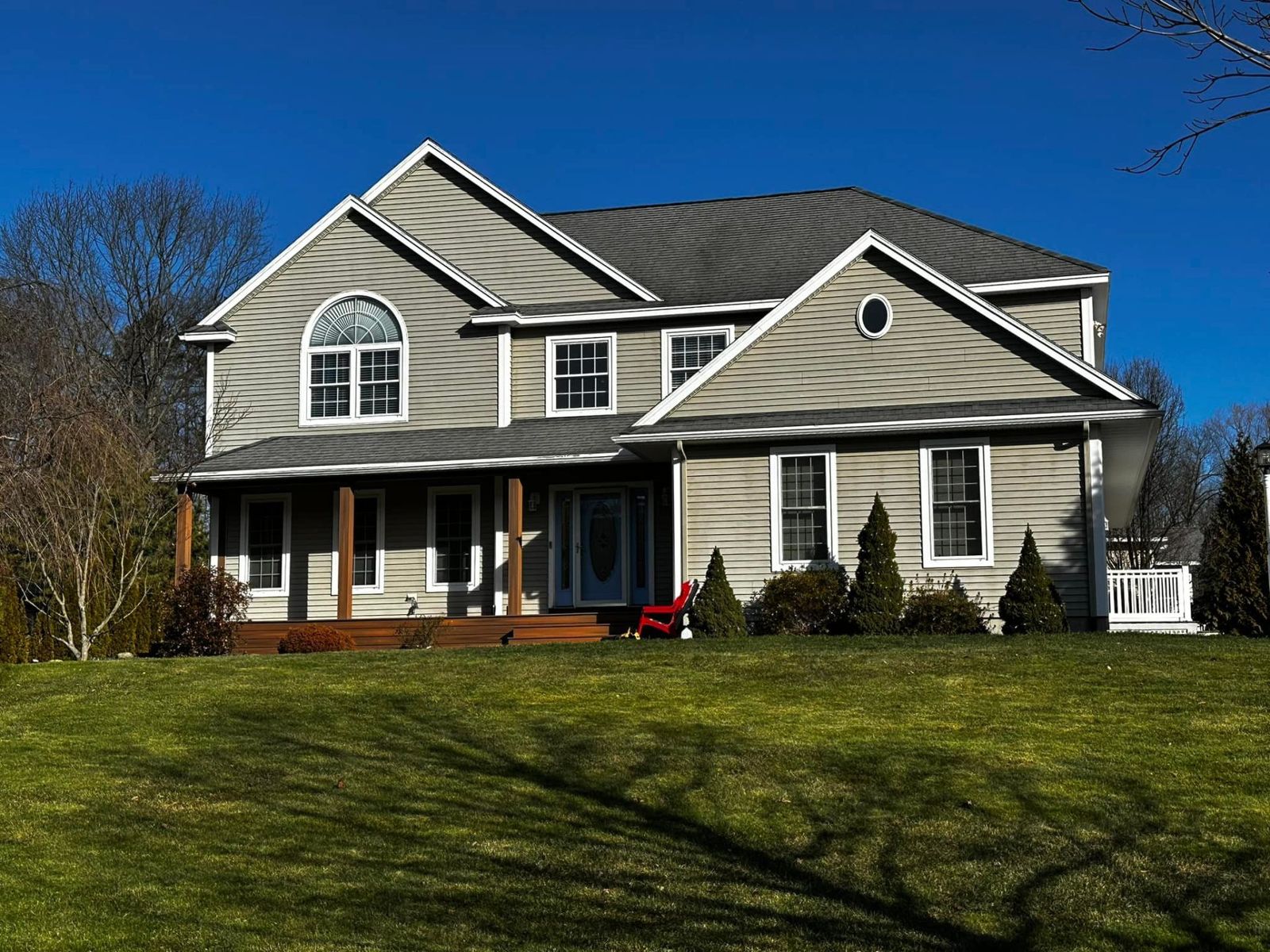
Southern NH
Pool Deck Built for Zero Maintenance
Before: Homeowner tired of treating wood deck for chlorine and moisture damage every year
After: TimberTech AZEK PVC decking that handles pool chemicals, bare feet, and constant moisture
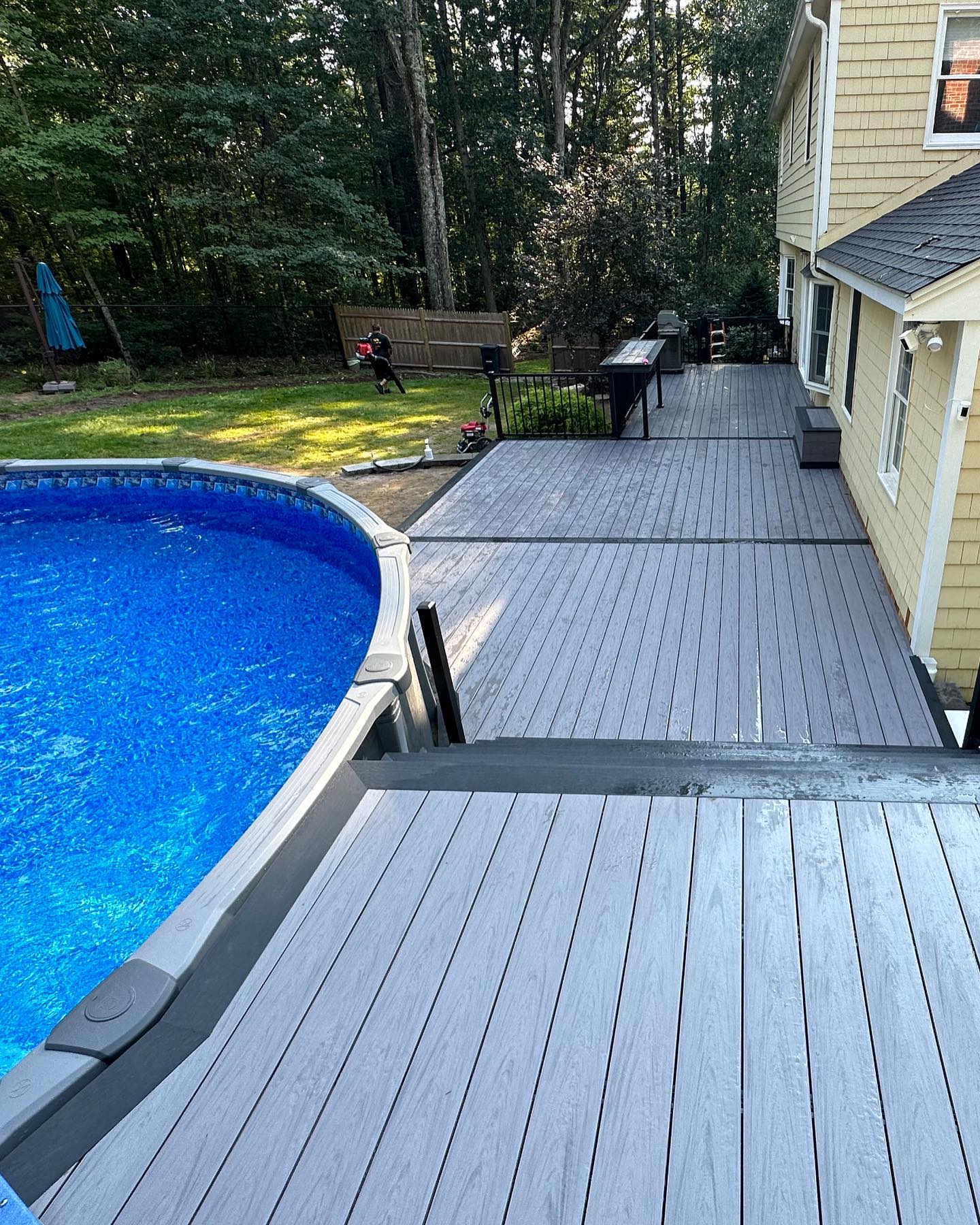
Derry, NH
Entertainment Space Without the Upkeep
Before: Wood deck that looked great after staining but faded within months
After: Dark composite that maintains its appearance year after year with minimal care
Is It Time to Make the Switch?
Low-maintenance decking isn't right for everyone. Here's how to know if it makes sense for you.
Low-Maintenance Makes Sense If...
- You've fallen behind on maintenance and dread catching up
- Your weekends are too valuable for deck upkeep
- You plan to stay in your home 10+ years
- You want a deck you can enjoy instead of maintain
- The current deck has structural issues beyond surface wear
- You have a pool, hot tub, or high-moisture environment
Wood Might Still Make Sense If...
- You genuinely enjoy the process of maintaining natural materials
- Budget is the primary constraint and you'll commit to maintenance
- Your home's architecture specifically calls for natural wood
- You're planning to sell within 5 years (ROI is marginal)
- You prefer the specific look and feel of real wood grain
- You have a covered or protected deck with less weather exposure
Ready to Explore Your Options?
Or see our deck replacement process for replacing an existing deck.
Frequently Asked Questions
Get clear answers to common questions from homeowners in Derry, Londonderry, Salem and Windham. If you don't see your question here, we're happy to discuss it.
Ready to Stop Maintaining and Start Enjoying?
We understand the frustration of endless deck upkeep. Let's discuss whether low-maintenance decking makes sense for your situation—no pressure, just honest guidance.