
Best Time to Build or Replace a Deck in New England
The best time to build a deck in Southern NH is spring through fall, and the best time to plan one is winter, so you are first on the schedule. Understanding planning season versus building season means better results with less stress.
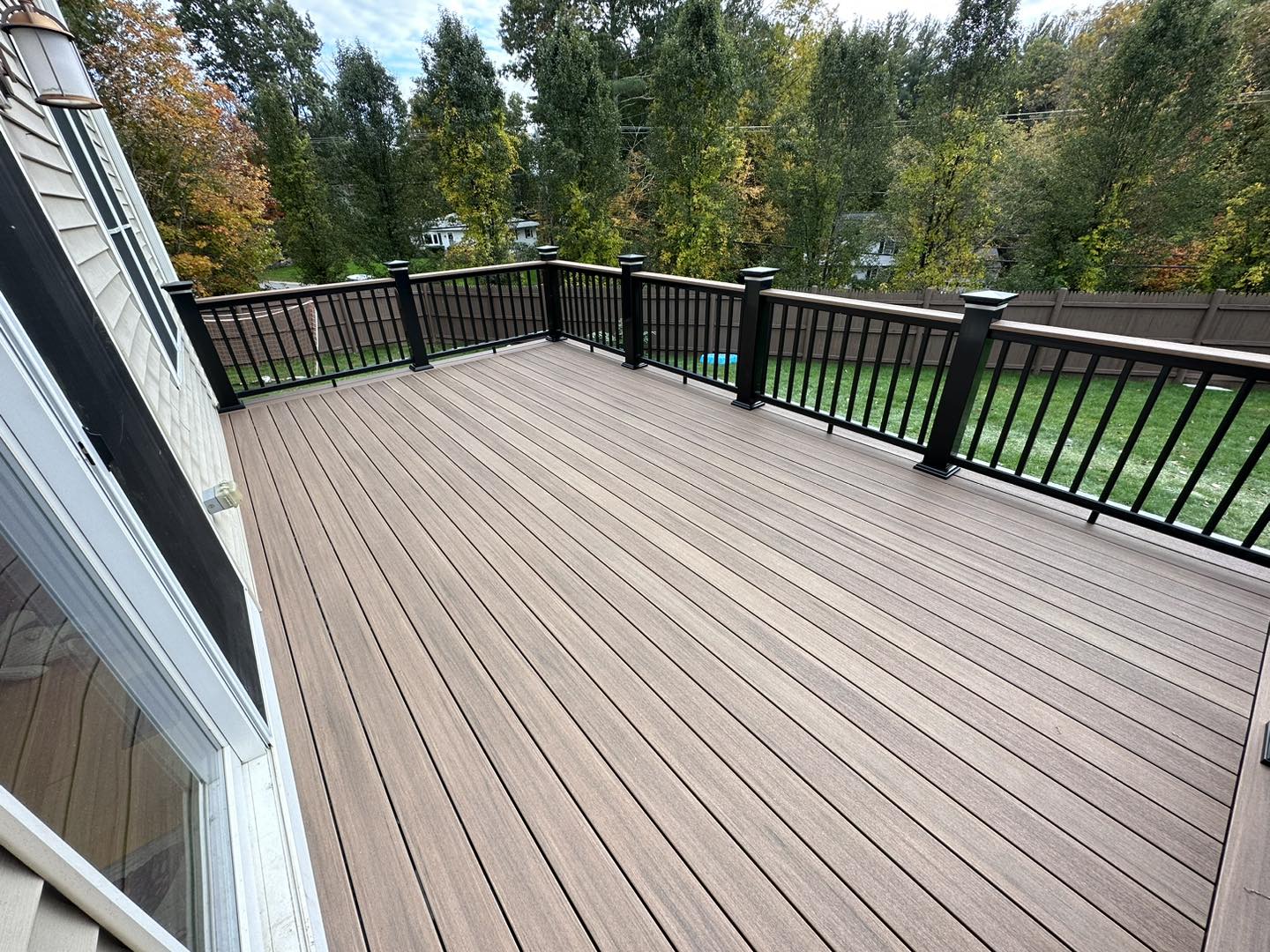
Plan in Winter
Build in Spring
There's No Single "Best Time"—But There Is a Smart Approach
The answer depends on your timeline. The real question isn't "when should I build?" but "when should I start planning?"
The smart approach: Start planning 2-4 months before you want construction to begin. This gives you time to make thoughtful decisions about design and materials, complete the permit process, and secure a spot on a quality builder's schedule.
Rushing leads to compromise—on schedule, materials, or builder selection. The homeowners who enjoy the smoothest projects are the ones who planned ahead.
Planning Season vs. Building Season
Planning Season
November – March
The best time to research, design, and prepare. Lower pressure, better availability, and time to make decisions you'll be happy with for years.
- Builders have more availability for consultations
- Time to finalize design without pressure
- Lock in scheduling priority for spring/summer
- Material orders placed early avoid delays
- Permits can be submitted before busy season
Building Season
April – November
When construction happens. Conditions allow for foundation work, framing, and finishing. But this is also when everyone else wants to build.
- Ground thawed, conditions allow foundation work
- Long days maximize productivity
- Weather generally cooperative (with exceptions)
- Peak demand means less flexibility
- Last-minute projects face longer waits
When to Do What: A Month-by-Month Guide
Strategic timing helps you get the deck you want, built by the builder you choose, on a schedule that works for you.
December – February
Peak Planning Season
- •Research builders and request consultations
- •Visit completed projects or browse portfolios
- •Begin design discussions
- •Finalize material selections
- •Submit permit applications (January-February)
- •Lock in construction slot for spring
March – April
Pre-Construction
- •Finalize all design decisions
- •Materials ordered and staged
- •Permit approval (if not already)
- •Prepare property for construction
- •Weather-dependent: some work may begin late March
May – June
Prime Building Season
- •Ideal construction conditions
- •Longest days for productivity
- •Most in-demand period—book 2-3 months ahead
- •Weather generally reliable
July – August
Peak Demand
- •Excellent building weather
- •Highest competition for scheduling
- •Projects booked now may start in September
- •Good time to plan for fall construction
September – October
Hidden Gem Season
- •Beautiful building weather
- •Lower demand after Labor Day
- •Experienced crews more available
- •Build now, enjoy next spring
- •Planning for next spring begins
November
Transition Period
- •Some construction still possible
- •Ideal time to start planning for next year
- •Consultations and design work continue
- •Beat the winter planning rush
Why Quality Builders Book Ahead
Experienced deck specialists aren't sitting idle waiting for calls. Spring and summer projects should be planned in winter. Most quality builders have a 6-8 week minimum lead time—longer for complex projects.
Design development and revision
Getting the details right takes time
Permit processing
Varies by town, can take weeks
Material ordering and delivery
Specialty products have lead times
Crew scheduling
Quality work requires dedicated time
"If a contractor can start tomorrow, ask why. Established builders with good reputations stay booked."
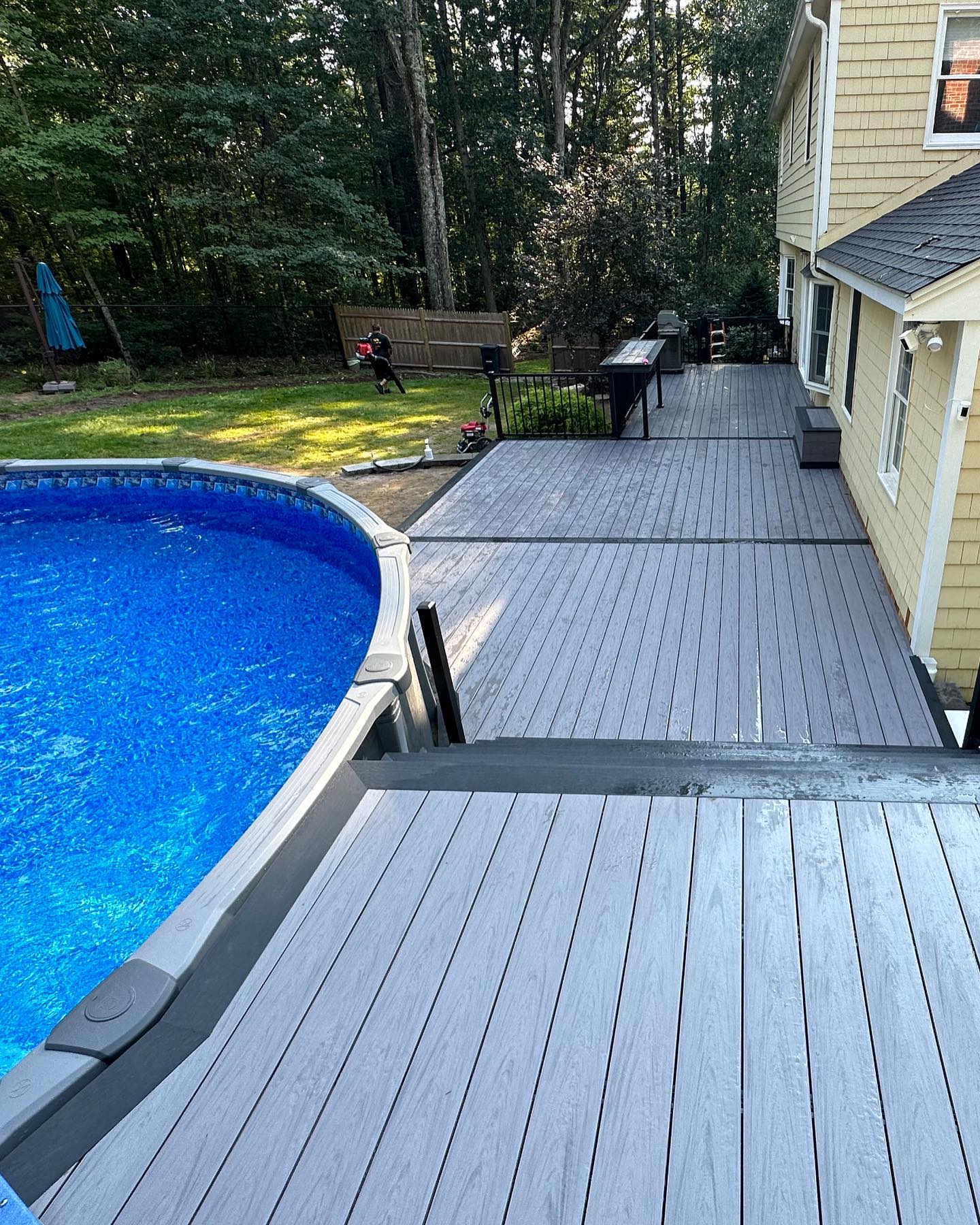
The Advantages of Planning Ahead
Early planning isn't just about availability—it leads to better outcomes across the board.
Better scheduling options
Choose your preferred start date rather than taking what's available
More thoughtful design
Time to consider options without pressure
Material availability
Popular colors and products may have lead times
Permit processing
Submitted before busy season, approved faster
Fewer surprises
Time to address unexpected site conditions
Competitive pricing
Off-season planning may offer flexibility
Reduced stress
No rushing to meet an arbitrary deadline
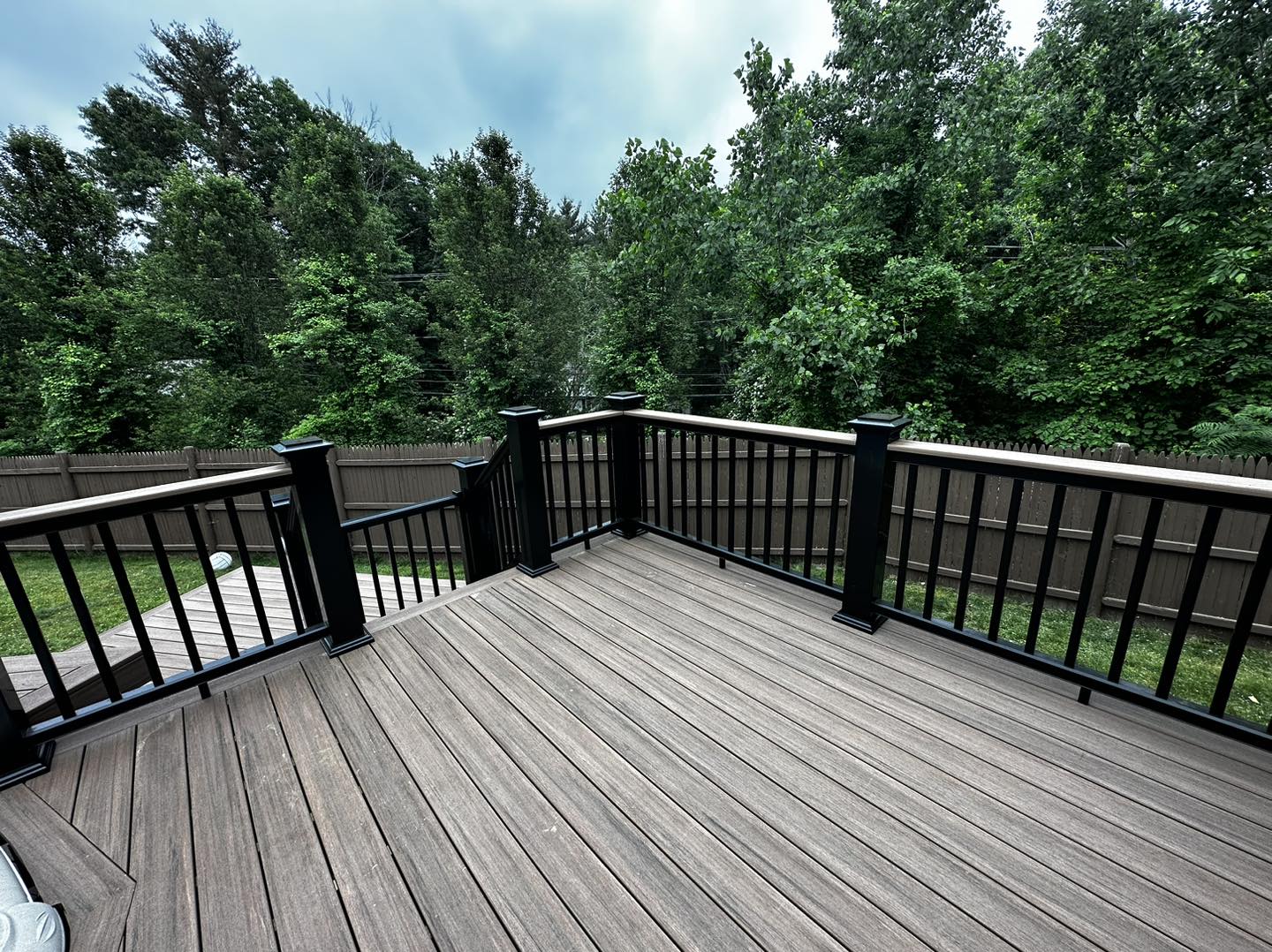
What Happens When You Wait Until Spring
This isn't about creating urgency—it's about avoiding the frustration we've seen hundreds of homeowners experience when they start too late.
- Quality builders are already booked
- You may need to wait until summer or fall
- Less time for design refinement
- Material delays more impactful
- Decision fatigue from rushing
- May settle for whoever's available
New England-Specific Timing Factors
Our climate creates unique considerations that affect project timing.
Frost line depth (4 feet)
Footing work requires thawed ground
Variable spring weather
March can be winter or spring
Short shoulder seasons
Weather windows are real
Summer vacation schedules
July-August site access sometimes tricky
Fall perfection
September-October often ideal conditions
Snow considerations
Late fall projects need completion buffer
Frequently Asked Questions
Continue Your Research
Our Services
Ready to Start the Conversation?
Whether you're planning for next spring or exploring options for fall, we're happy to discuss your project timeline—no pressure, no obligation.